Steel Strength, Fireproof Assurance: Safeguarding Hazmat with Railcar Placards
Unmatched Protection in Crisis Situations
Discover the reliability of our Steel Placards with Cut-out Numbers, ensuring legibility even in the most critical emergency situations. When safety is paramount, trust the placards that define the standard.
Explore our Customizable Options and inquire about Bulk Discounts and Availability to secure your safety solutions today.
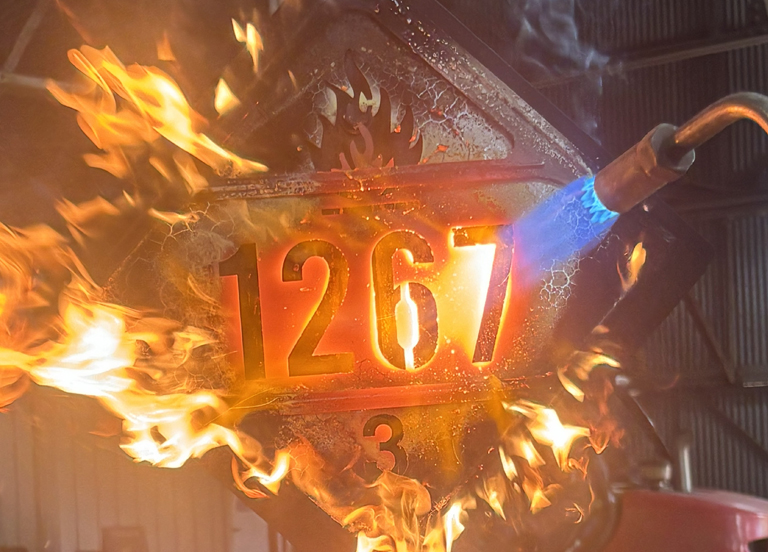
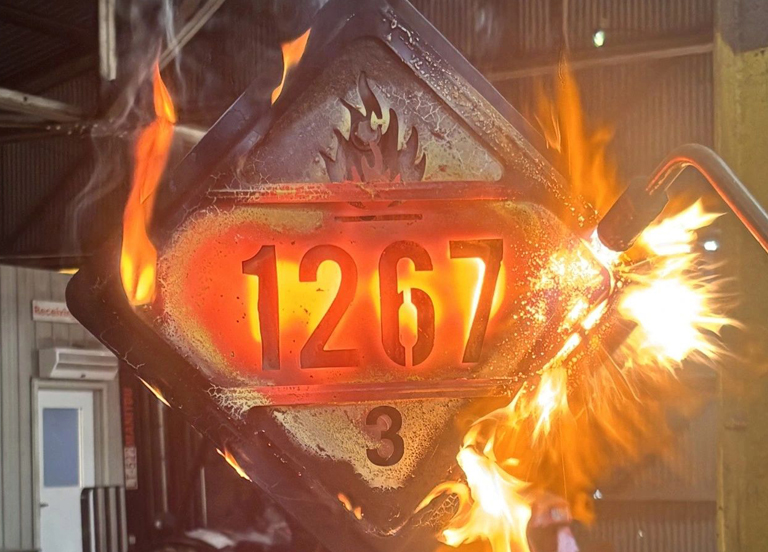
Galvanized steel melting point approximately 2,500°F
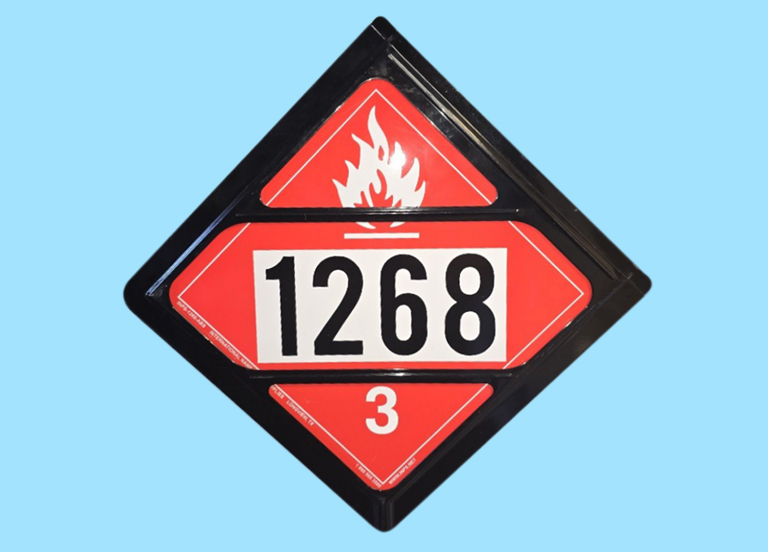
placard in frame
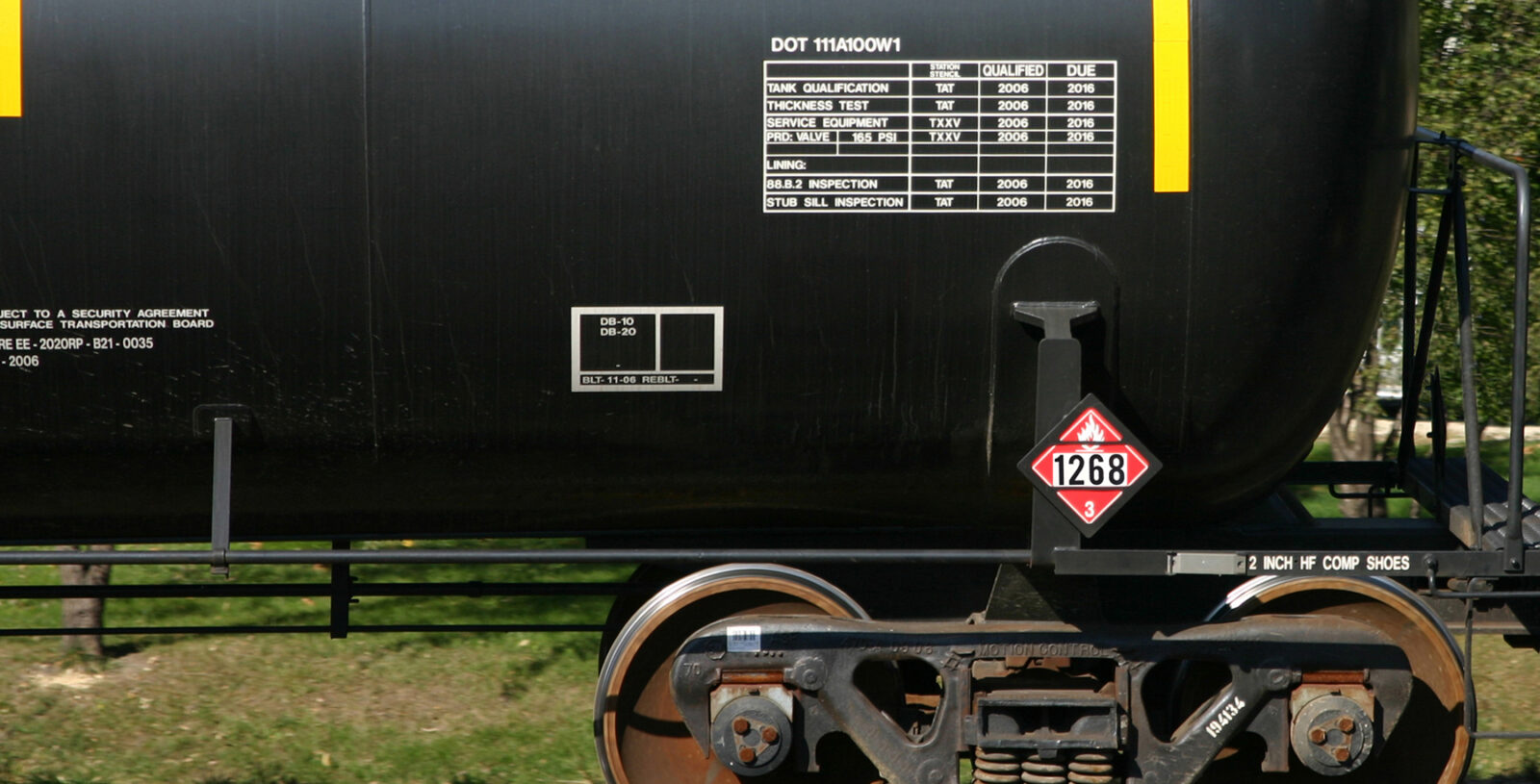
Designed for railcars, tank trucks, and hazardous material transportation.
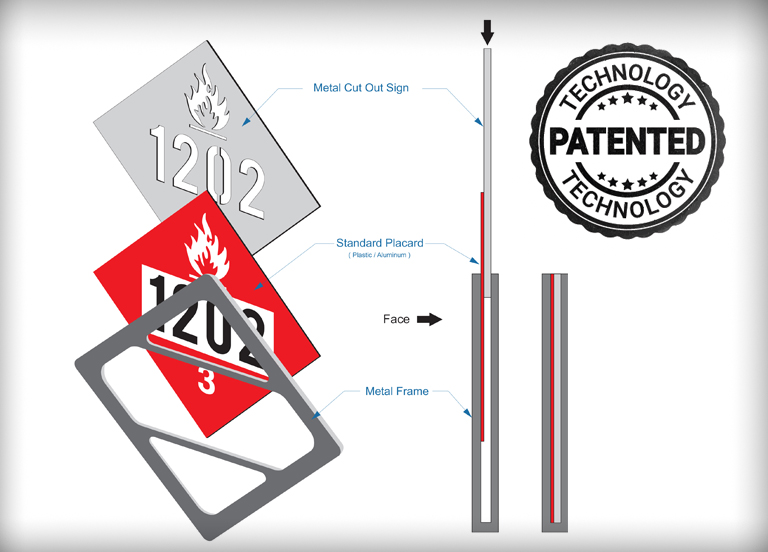
The INPS Fire-Resistant Hazmat Placard combines a UV-resistant PVC face with a laser-cut galvanized steel backing to provide long-term durability and enhanced identification retention during fire events.
placard assembly
Why INPS?
Trusted transportation identification supplier
Manufactured and assembled in the USA
Specialists in rail, fleet, and hazardous material marking solutions
Patented Technology
Durable
Our placards are built to last.
Crafted from Steel for unparalleled durability
Cutout Numbers for lasting clarity
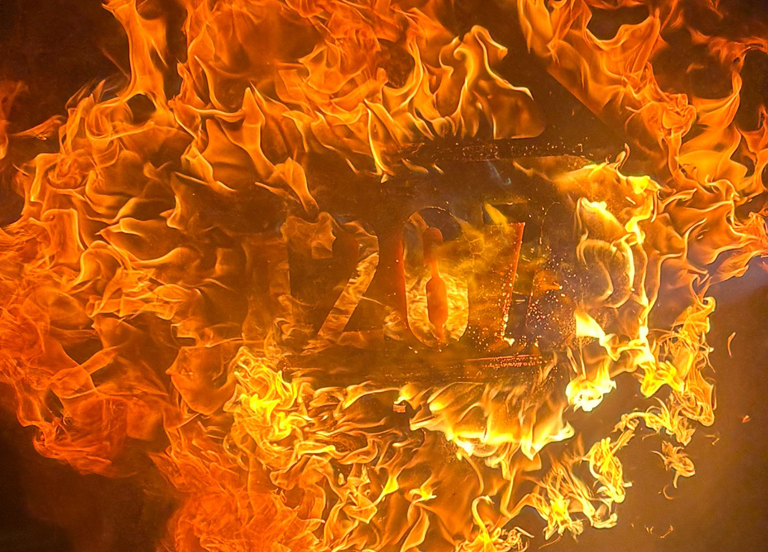
Designed to withstand flame and high heat
Fire-resistant properties provide added safety assurance
Customizable options tailored to your needs
Take advantage of bulk discounts for cost-effective solutions
Compliant
During a derailment, accident, or fire, rapid hazardous material identification is critical.
Unlike conventional placards that may become damaged under extreme conditions, the INPS Fire-Resistant Hazmat Placard is designed to help preserve critical identification information for emergency responders.
As part of the industry’s ongoing focus on placard survivability, INPS presented its patented Fire Resistant Hazmat Placard to PHMSA leadership in Washington, D.C. Our patented design remains unique in today’s marketplace.
Fire Resistant
The NTSB concluded that the vulnerability of tank car placards to fire exposure resulted in illegible placards and hampered emergency responders’ efforts to identify hazards.
It recommended that PHMSA require placards to survive fires and accidents and remain legible during emergencies.
Don't Compromise on Safety: Trust the Fire-Resistant Hazmat Placards from INPS